E-cigarette refill price: reading the cost per ml
One word covers two products that behave nothing alike on a budget. A refill can be a bottle of liquid you pour yourself or a sealed pod you clip on, and the gap between them is measured in multiples rather than in pennies. Comparing an e-cigarette refill price without checking what is inside the packet leads straight to a surprise at the end of the month. Here is how to read those figures properly.
E-cigarette refill price: three formats, three logics
British retailers list refills in three families, and they answer different needs while imposing very different cost structures. Confusing them is like comparing a tank of fuel with a car hire.
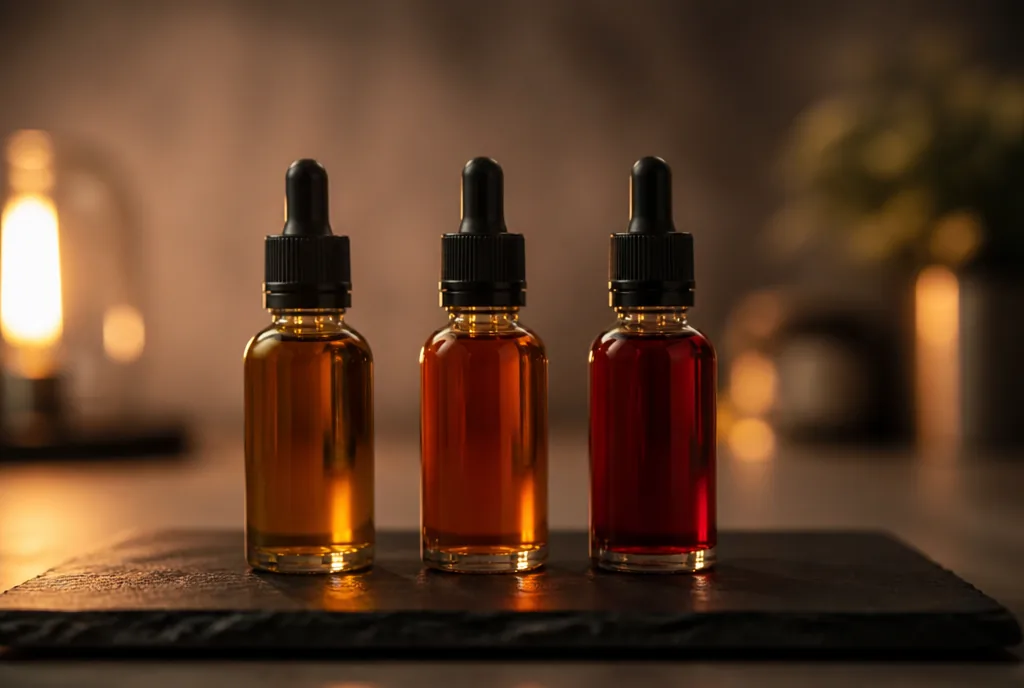
The first is the nicotine bottle, capped by law at 10 ml and at a strength of 20 mg/ml. It is the historical format and still the backbone of the market, sold in single units and in multipacks that lower the unit cost noticeably.
The second is the short fill: a larger bottle sold nicotine free and deliberately underfilled, designed to be finished at home with separate nicotine shots. The format exists because of the 10 ml cap, not because of a commercial preference.
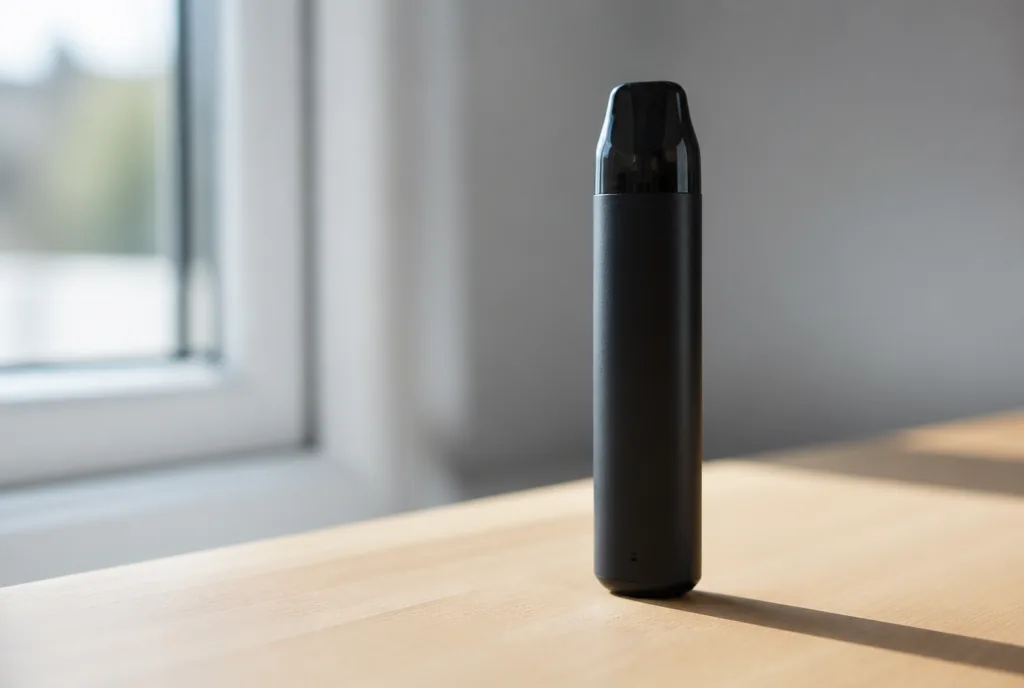
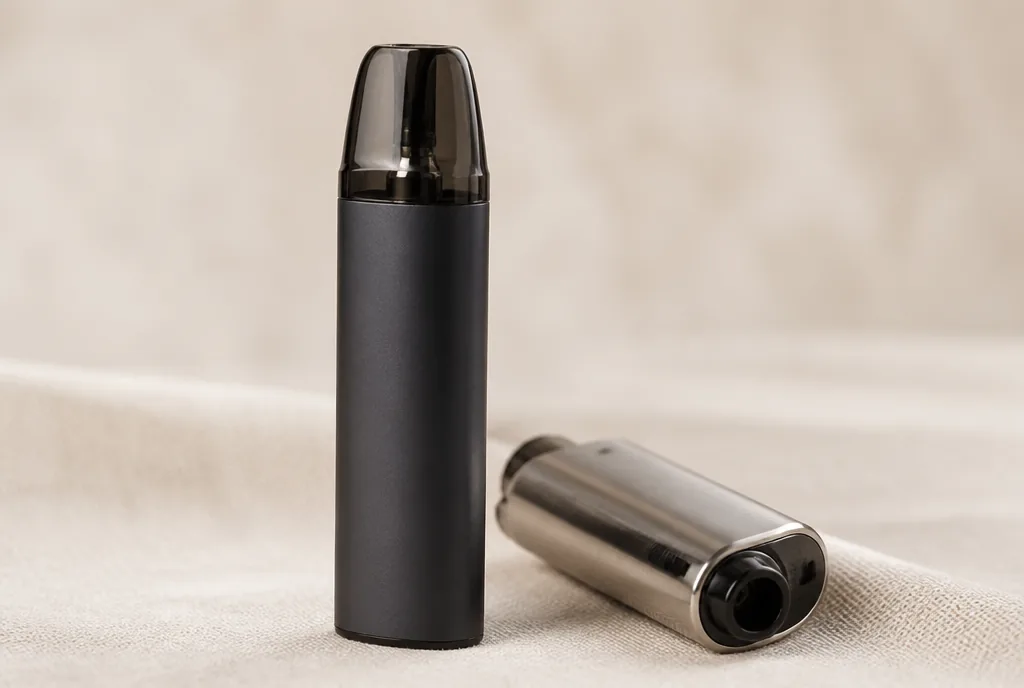
The third is the prefilled pod. Here the refill includes the reservoir and its coil, which is why it is not comparable to a bottle at all. You are buying hardware and liquid in the same packet, every time.
Why only the cost per millilitre compares
Bringing every format back to the millilitre exposes a gap that shelf figures hide completely. The calculation is immediate: what you paid divided by what you received.
Once that division is done, an e-cigarette refill price becomes comparable across formats for the first time. A short fill lands lowest per millilitre once its shots are added, because volume is the whole point of the format. A 10 ml nicotine bottle sits above it, and a multipack of the same bottles narrows the gap considerably.
A prefilled pod sits far above both, typically several times the per-millilitre figure of bottled liquid, because the reservoir and the coil are bought again with every refill. That ratio, not any absolute figure, is the useful thing to remember.
On a monthly volume that runs into three figures of millilitres, that ratio decides the order of magnitude of the whole budget. It is also the reason the same person can halve their liquid spend without changing device.
What moves an e-cigarette refill price
Beyond format, four parameters explain the spread between two listings of apparently similar products. All four are checkable before buying.
Brand and origin weigh heavily. Liquids manufactured and notified in Britain sit structurally above generic imported stock, and most retailers separate them into their own category rather than mixing them.
Nicotine strength barely moves a 10 ml bottle but changes everything on a short fill, since the shots needed to reach a given strength are a separate purchase. A short fill compared without its shots is not being compared at all.
Packaging is the third. Multipacks of four or more bottles routinely halve the unit cost against a single bottle of the same reference, which is the simplest saving available on this line.
The fourth is the retailer. The same reference moves substantially between British shops, and delivery charges reshape the comparison on small baskets while disappearing above a threshold.
Turning refills into a monthly figure
Useful tracking comes down to two numbers, measured once and refreshed when habits change. Everything else is derived from them.
The first is the volume you get through in seven days, obtained by counting fills and multiplying by tank capacity. British refillable tanks are capped at 2 ml, which makes this unusually easy to count: every fill is the same size.
The second is your real e-cigarette refill price brought back to the millilitre, calculated on the references you actually buy rather than on a market average. Averages published by retailers describe their own catalogue, not your habits.
Multiplying the weekly volume by the cost per millilitre and then by four and a third gives the monthly liquid spend. The wear parts are then added on top, a line detailed in our breakdown of the e-cigarette price.
Why these figures will not hold
Any range quoted for the British market today has a short life, and in 2026 there is a dated reason on top of the usual ones.
A Vaping Products Duty applies from 1 October 2026. It is charged per millilitre of e-liquid, applies regardless of nicotine content, and VAT is applied on top of the duty. A duty stamps scheme runs alongside it, with all vaping products expected to carry a stamp from 1 April 2027.
The important part for anyone tracking a budget is the shape of that change, not its size. Because the duty is levied per millilitre, it lands on the liquid line and leaves hardware untouched, which mechanically increases the weight of the recurring block in every budget.
It also compresses the advantage of large formats, since the duty follows volume rather than packaging. The saving from buying big remains, but it becomes a smaller share of the total than it was.
Two ordinary mechanisms sit underneath. Promotional cycles are frequent on liquids and move a reference sharply for a few days, and range turnover leaves previous-generation pods listed below the current ones for months.
What the single-use ban changed for refills
Britain banned the sale of single-use vapes in June 2025, and the effect on this question was immediate.
Buyers who previously had no refill line at all acquired one overnight, which pushed prefilled pods and entry-level refillable kits to the front of British catalogues. The prefilled pod became the default first refill for a large group of people.
That matters because the prefilled pod is the most expensive format per millilitre. The step from a prefilled pod to a refillable tank and bottled liquid is the single largest reduction available on this line, and it requires no change in how the device is used day to day.
It is also why checking which pods a kit takes, and whether more than one retailer stocks them, now belongs in the buying decision rather than after it. Our tracking section follows those consumables over time, and the pod cost breakdown covers the hardware side of the same question.
Frequently asked questions
Can a prefilled pod be refilled by hand?
Some open under the mouthpiece and some are sealed. The manufacturer’s own specification says which, and it is the thing to check before buying the kit rather than after.
How long does an opened bottle keep?
An opened bottle keeps for months away from light and heat. Manufacturers print a minimum durability date on the packaging, commonly a couple of years from production for a sealed bottle.
Do refills from one brand fit another kit?
Almost never. Pods use proprietary fittings, which locks supply to the maker of the kit for its entire life. Only 510 tanks and standard coils escape that.
Why is nicotine e-liquid limited to 10 ml bottles?
British law caps nicotine-containing e-liquid at 10 ml per bottle and 20 mg/ml in strength. Larger bottles are therefore sold nicotine free, to be finished with separate shots.
Is buying in bulk worth it?
Unit cost does fall with volume, but a large stock ties up money and ages. Around three months of consumption is a reasonable compromise for most people, and it is short enough to absorb a change of flavour.
Tracking a refill cost instead of memorising it
No catalogue figure stays valid long enough to be a reference, and the October 2026 duty guarantees that for the coming year. What does keep is the method: convert every e-cigarette refill price into a cost per millilitre, compare on that basis alone, and recalculate when the range or the tax changes. Two minutes of arithmetic beats a list of figures noted six months ago. It is the same reflex that later allows two complete devices to be compared on something other than the label on the box.
Editorial content for adult readers only. Vaping products contain nicotine, which is a highly addictive substance. Not for sale to under-18s in the United Kingdom. This article is not a buying recommendation.